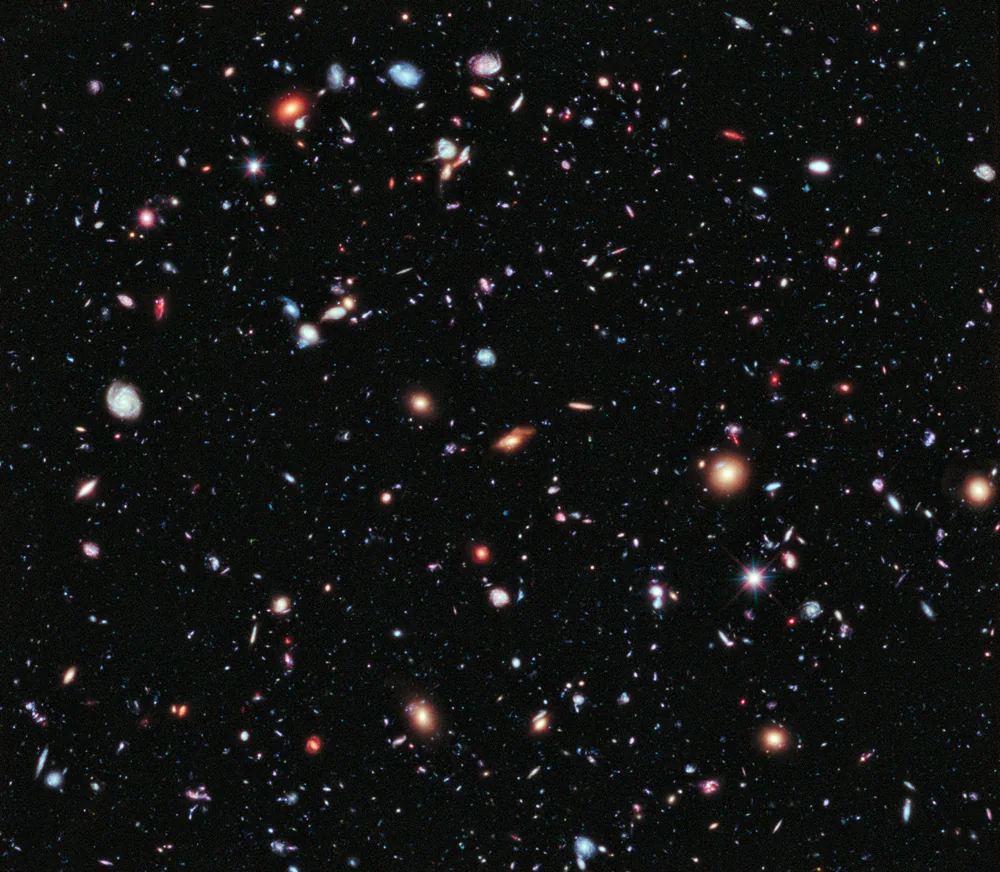
How sensitivity settings relate to brightness, amplification, and image quality.
What ISO really controls
In digital photography, the ISO setting affects how the recorded signal is mapped to image brightness and can alter the camera’s signal processing. It does not cause the sensor to collect more photons.
Higher ISO can help produce a usable exposure when light is limited, but it cannot replace the light you would gain from a longer exposure or wider aperture.
Why noise appears
In low light, images can look grainy because of the randomness of photon arrival and electronic noise. Raising ISO may make existing noise easier to see, but underexposure is often the bigger problem.
A clean, sharp photograph at a higher ISO can be more useful than a blurred one at a low ISO. Decide which tradeoff matters for your subject.
A practical shooting order
First choose a shutter speed that freezes or deliberately records the movement you care about. Next choose an aperture for your depth-of-field needs. Finally, raise ISO enough to achieve the intended brightness.
Modern cameras vary considerably. Learn your particular device’s behavior with controlled tests rather than memorizing a universal maximum ISO.
Try the experiment
Photograph a still life with fixed lighting at several ISO values while keeping overall output brightness similar. Examine fine texture and shadows, and compare the impact of noise reduction.
Put one idea from this guide into practice and compare what changes. Explore the free Photo Lab for interactive experiments.
Keep looking
Photography improves through deliberate observation and repetition. Take the idea that interested you most, make several variations, and notice which choices actually change the image.
Continue with the learning library or make something using the Photo Lab.